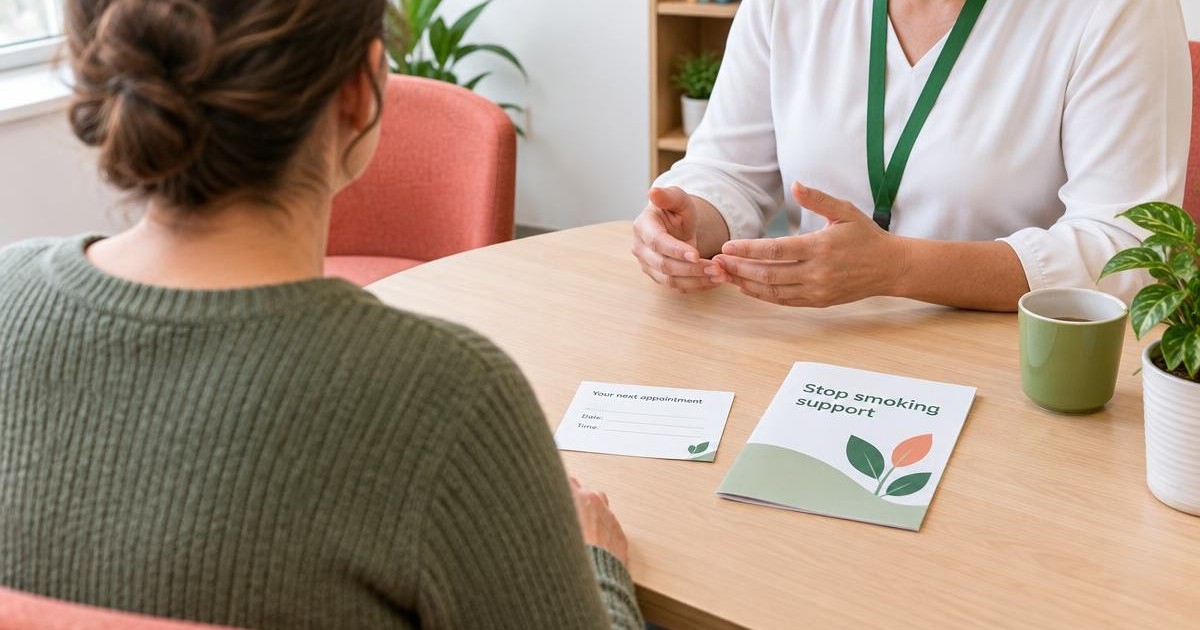
Türkiye’s Health Ministry says smoking cessation clinics served 356,000 people in 2026, a record annual total reported before the year had ended. The ministry also outlined telephone, online and medication support.
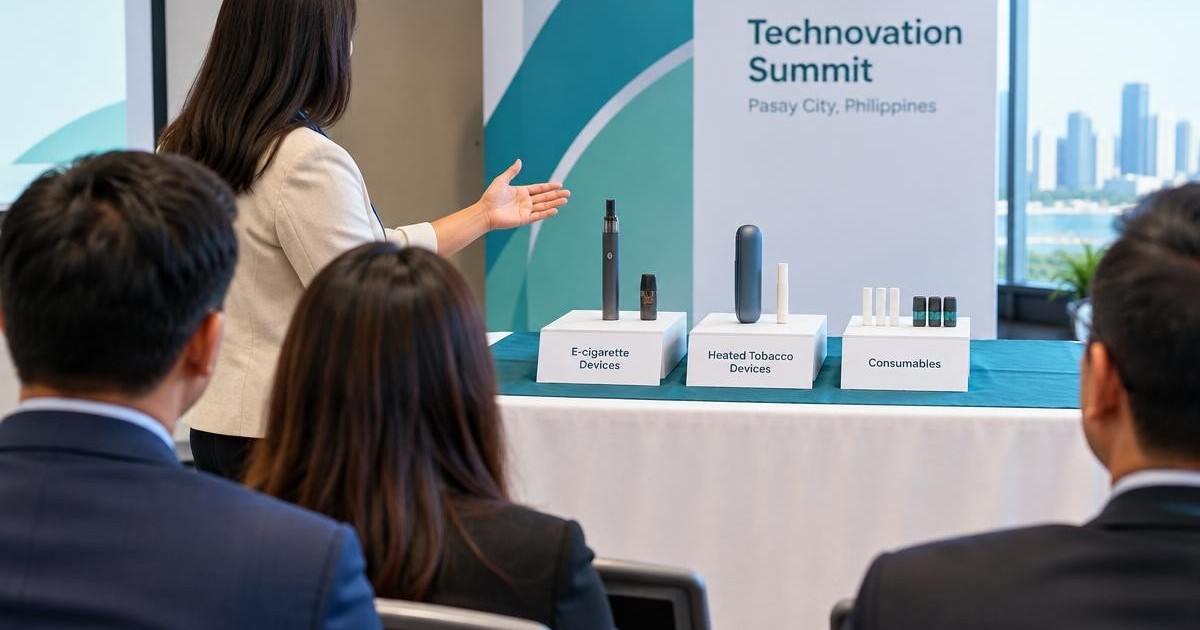
Speakers at a tobacco company-hosted summit in Pasay City argued that regulated access to alternatives to cigarettes could help reduce smoking in Southeast Asia.
Malaysia’s tobacco control council has asked the Islamic development department, Jakim, to consider religious guidance on Muslim workers’ roles in cigarette and vape sales. The request follows work on guidance for employees at outlets selling alcohol and raises questions about how existing religious rulings apply to commerce.
Gibraltar’s government has published a bill that would prevent tobacco sales to people born on or after 1 January 2009. The proposed bill also targets single-use vapes and nicotine pouches. It follows a public consultation and an earlier ministerial announcement, but has not yet been enacted.
New Zealand’s convenience-store association is calling for powers to temporarily close shops selling illicit tobacco, alongside licensing and stronger penalties.
Alternative Research Initiative and its partners are calling for affordable, effective smoking cessation services and the inclusion of tobacco harm reduction in Pakistan’s tobacco control efforts.
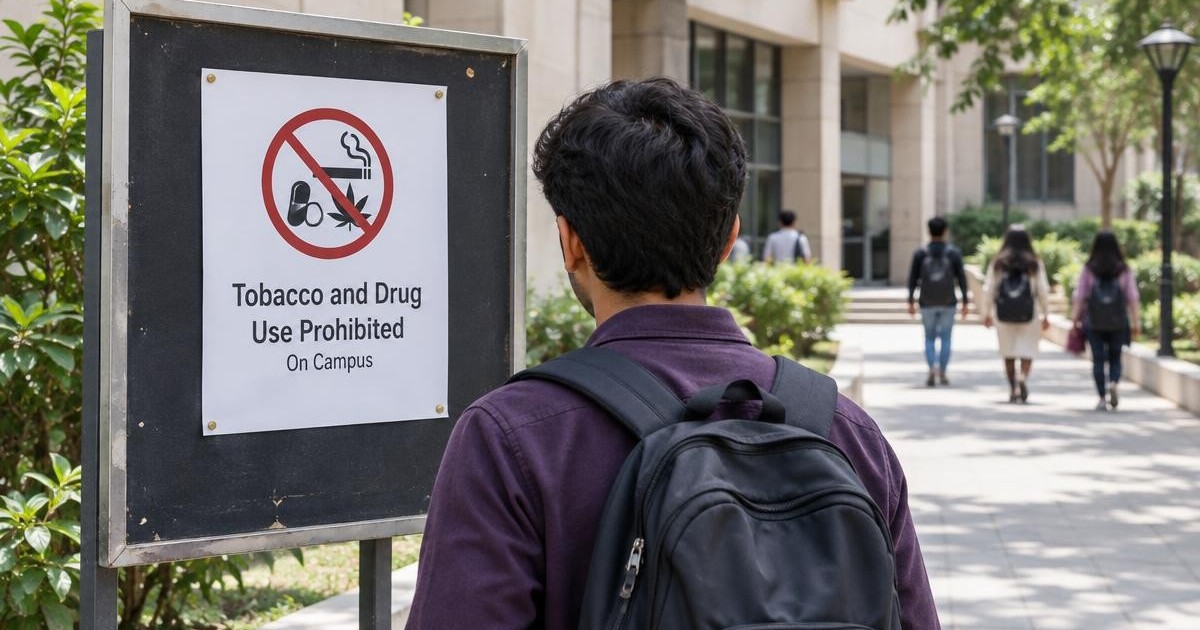
Pakistan’s Higher Education Commission and the Health Services Academy have brought together health experts, academic leaders and young people to discuss strategies for tobacco- and nicotine-free campuses. The workshop focused on developing approaches to address tobacco and emerging nicotine products in educational institutions.
Federal Minister for Planning Ahsan Iqbal and MNA Naeema Kishwar have raised concerns about smoking inside Parliament House, citing exposure to cigarette smoke in shared spaces, including areas used for prayer. National Assembly Speaker Sardar Ayaz Sadiq said a designated smoking area had been set aside and directed that smoking be kept within it.
Pakistan’s burden of non-communicable diseases is linked to several modifiable risks, including tobacco use, unhealthy diets, physical inactivity and obesity, the National Assembly was told. The government says public awareness campaigns and higher taxes on sugar-sweetened beverages are among the measures intended to address these risks.
A report published by The News on Sunday describes a growing oral cancer problem in Sindh linked to gutka use, while noting that official case records capture only patients who are diagnosed. The issue matters because gutka remains available in local markets despite a provincial ban, and many rural patients seek care late or do not reach diagnostic facilities.
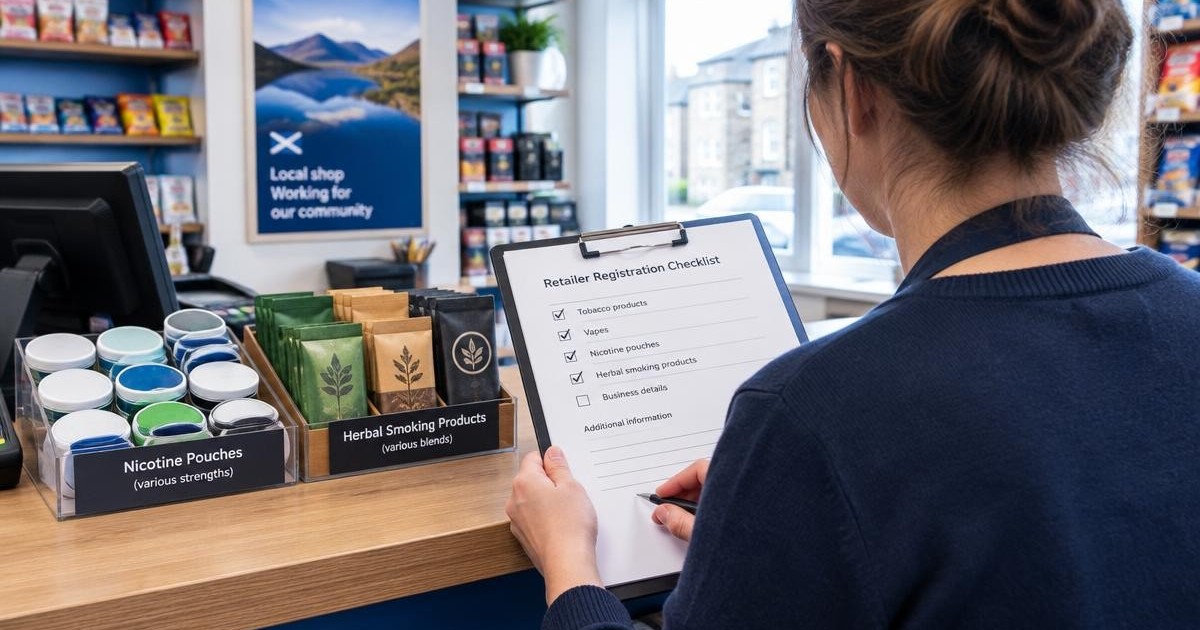
Scotland has expanded its existing retailer register to cover nicotine and herbal smoking products, alongside tobacco and vapes. Offences for newly covered businesses operating without registration, or at unrecorded premises, are due to begin on 29 April 2027. Medically licensed products such as nicotine replacement therapies are exempt from the registration requirement.
The Dutch government wants to ban smoking at managed playgrounds, petting zoos and childcare sites as part of its goal of a smoke-free generation by 2040.
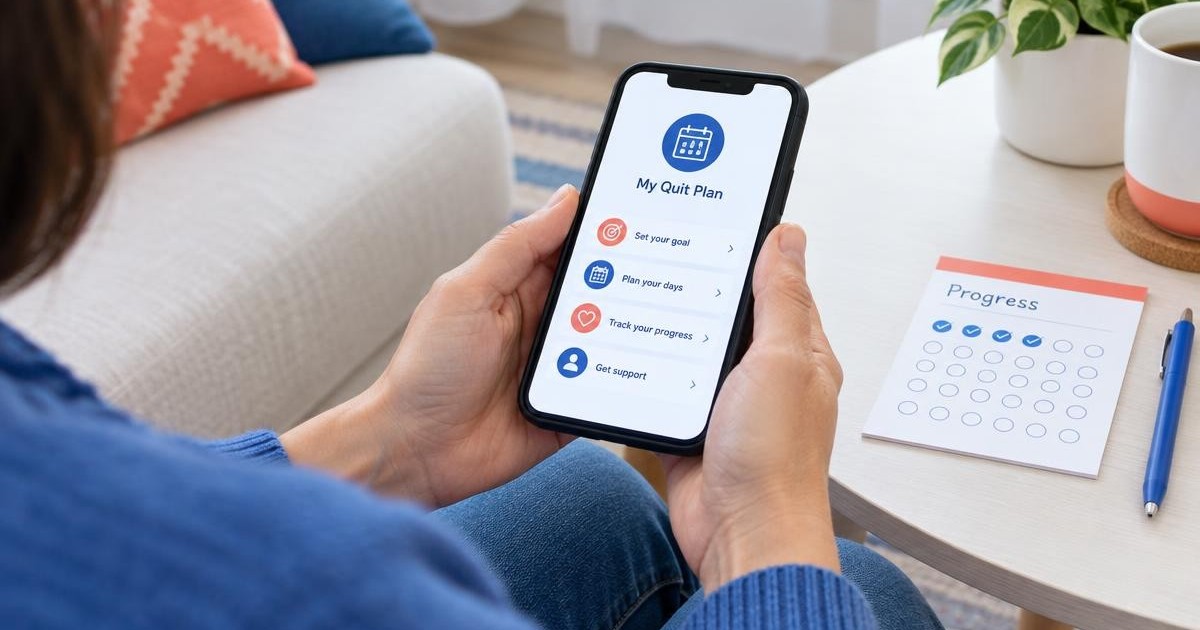
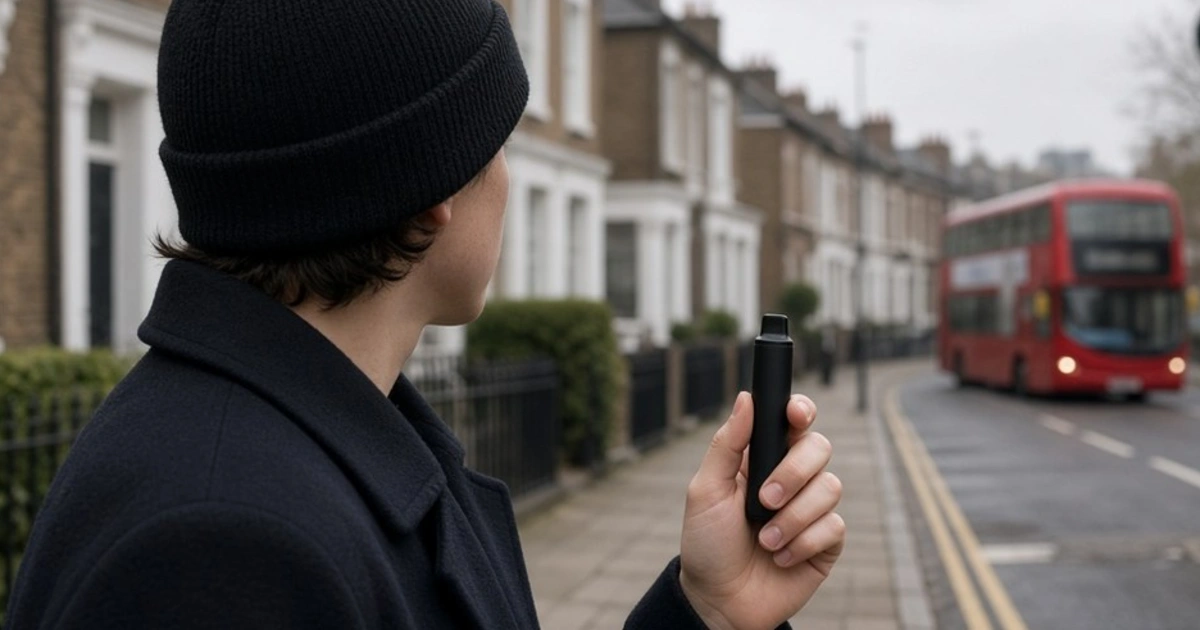
Public Health Wales has added free support for quitting vaping to the NHS Wales Help Me Quit app, mainly for adults. The October 29 launch coincided with new UK sales and promotion restrictions. The service offers planning and craving support, although no quit outcomes for the module were reported.
Doctors in India are calling for sustained help to quit tobacco, alongside better blood pressure control, to reduce the country’s stroke burden. Their appeal emphasizes counseling and established cessation treatments, while WHO guidance and India’s existing quitline offer context on what practical support can include.
University Hospitals Birmingham is extending stop-smoking support to eligible adult outpatients at three hospitals. Birmingham Live reports that the council-funded service offers specialist behavioral help, free treatments and regular follow-ups.
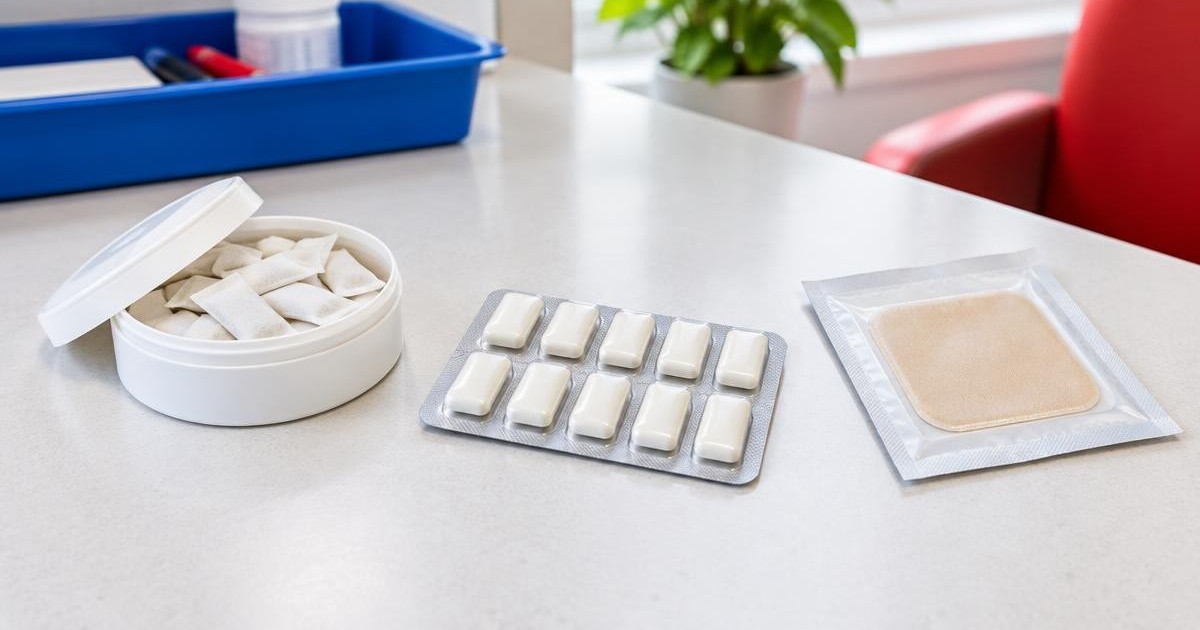
Nicotine pouches deserve more consistent treatment alongside nicotine replacement therapy. Its comparison of Canada and France raises a regulatory question, but the stronger evidence base for established NRT and very uncertain short-term pouch findings limit what can be concluded about treating the products alike.
Singer and actor Selena Gomez says she believes nicotine vaping changed her voice. In a video shared on Instagram, she described quitting as difficult and urged people not to start vaping.
A decade-long US study found that regular vaping among girls aged 15 to 17 rose from 4.9% in 2021 to 7.8% in 2024, while 4.6% of boys in the same age group vaped regularly in 2024. Researchers say the shift shows that youth vaping remains a concern, even as cigarette smoking among adolescents has fallen to very low levels.
More than 1 million people aged 16 and over in Great Britain who had never smoked said they used e-cigarettes in 2025, according to the UK Office for National Statistics. The finding comes as cigarette smoking continued to decline.
A study in Scientific Reports examined how cigarette beetles develop and reproduce on six commercial tobacco varieties grown in Pakistan. Its findings point to differences in how the varieties support the pest, which the authors say may help inform management strategies for tobacco storage.
University leaders from several parts of Pakistan have signed a charter to phase out cigarettes and other tobacco and nicotine products on participating campuses. The initiative also proposes student-led awareness, monitoring and research, while calling for national-level policy support.
Simulation studies in the United States, Germany and Russia project that switching from cigarettes to nicotine vaping products could prevent premature deaths and save life-years. The estimates vary widely and depend on assumptions about vaping’s relative risks, how many smokers switch and whether non-smokers take up vaping.
The US Food and Drug Administration is expected to announce measures that could accelerate reviews of vaping products and nicotine pouches, according to a Wall Street Journal report cited by Reuters. The report says the agency may revisit requirements for new tobacco applications and consider simpler scientific-study rules, although Reuters could not independently verify the details.
Smoking remains a major global health problem, with tobacco use causing more than 7 million deaths each year. Global Action to End Smoking looks at who smokes, how tobacco smoke harms health, nicotine’s role in addiction and why the risks of tobacco and nicotine products differ.
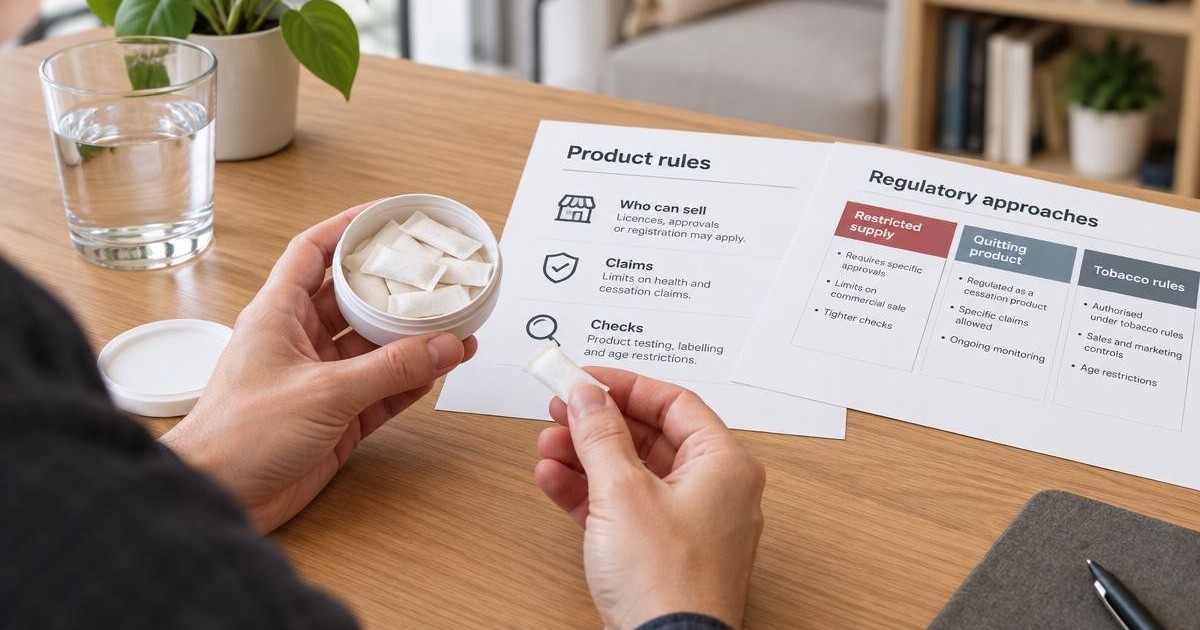
Countries are taking different routes to regulate nicotine pouches, balancing potential access for adults who smoke against concerns about young people. New Zealand is considering a change, Canada restricts sales of certain products to pharmacies, and the United States authorizes individual products. Evidence does not establish which approach delivers the best overall health outcomes.
When you stop smoking combustible tobacco, the body begins to recover almost immediately. Heart rate and blood pressure begin to drop within 20 minutes, breathing and lung function improve over time, and the long-term risks linked with smoking steadily decline.
Pakistan’s GATS 2024 findings report a decline in tobacco use and secondhand smoke exposure, but the writer argues that important details remain unavailable. The article compares selected findings with the 2014 survey and calls for a comprehensive report and public access to the data.
Parents can play a decisive role in protecting children from smoking. By creating a smoke-free home, talking openly about tobacco and modelling healthy choices, they can help children resist curiosity, peer pressure and misleading images of smoking.
Many adult smokers in Pakistan try to quit but struggle to do so without accessible support. Expanding local cessation programmes, counselling and nicotine replacement therapies could give smokers more practical help, while bringing healthcare providers into tobacco-control efforts.