Policy
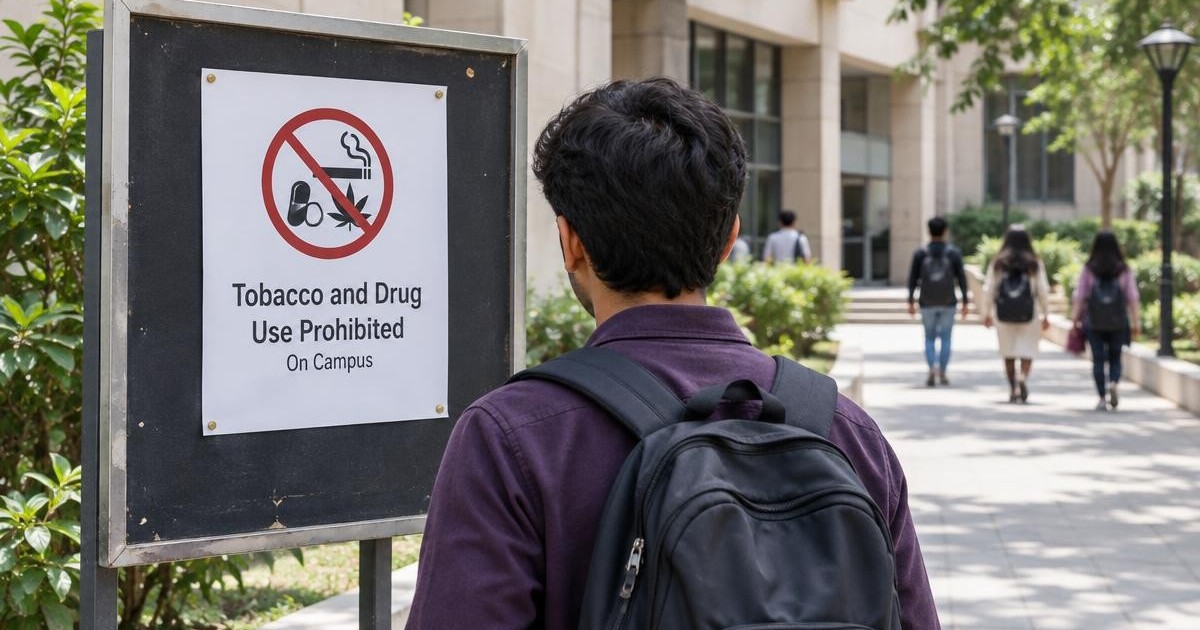
University of Karachi bans tobacco and drug use
The University of Karachi has prohibited smoking and the use, possession, sale and distribution of tobacco products and drugs across its premises.
News, policy developments and practical public-health information about smoking and tobacco control across Pakistan.
The University of Karachi has prohibited smoking and the use, possession, sale and distribution of tobacco products and drugs across its premises.

Alternative Research Initiative and its partners are calling for affordable, effective smoking cessation services and the inclusion of tobacco harm reduction in Pakistan’s tobacco control efforts.

No smoking and vaping on Pakistan's Higher Education Commission premises nationwide, including guest houses and outdoor areas.

Pakistan’s Higher Education Commission and the Health Services Academy have brought together health experts, academic leaders and young people to discuss strategies for tobacco- and nicotine-free campuses. The workshop focused on developing approaches to address tobacco and emerging nicotine products in educational institutions.

Federal Minister for Planning Ahsan Iqbal and MNA Naeema Kishwar have raised concerns about smoking inside Parliament House, citing exposure to cigarette smoke in shared spaces, including areas used for prayer. National Assembly Speaker Sardar Ayaz Sadiq said a designated smoking area had been set aside and directed that smoking be kept within it.

Pakistan’s burden of non-communicable diseases is linked to several modifiable risks, including tobacco use, unhealthy diets, physical inactivity and obesity, the National Assembly was told. The government says public awareness campaigns and higher taxes on sugar-sweetened beverages are among the measures intended to address these risks.
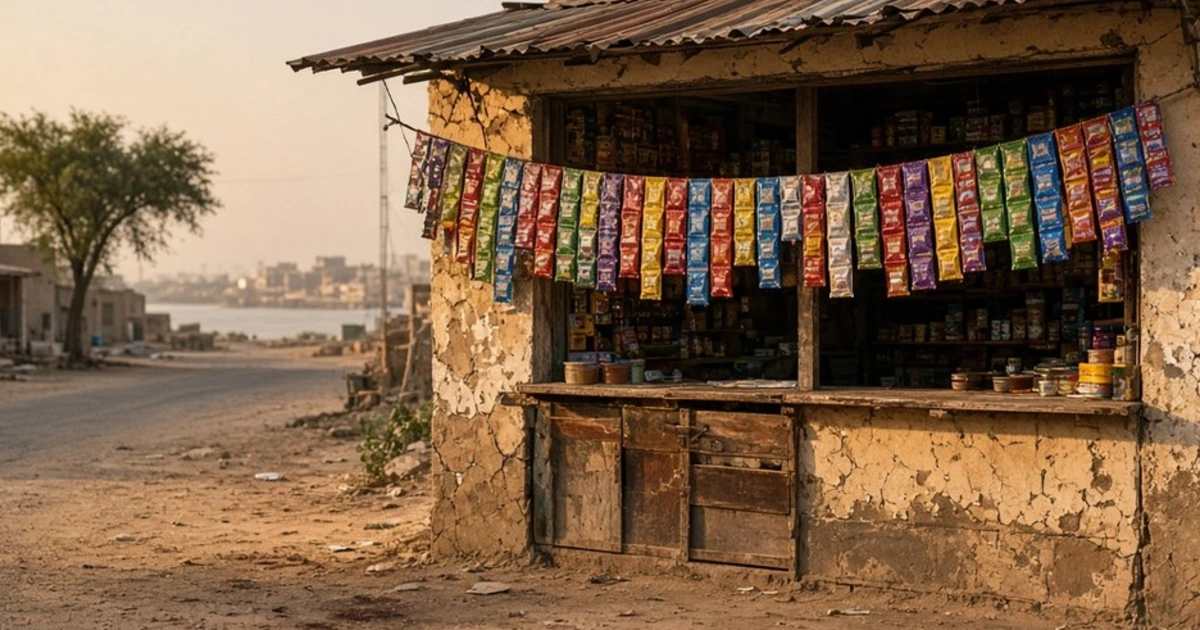
A report published by The News on Sunday describes a growing oral cancer problem in Sindh linked to gutka use, while noting that official case records capture only patients who are diagnosed. The issue matters because gutka remains available in local markets despite a provincial ban, and many rural patients seek care late or do not reach diagnostic facilities.
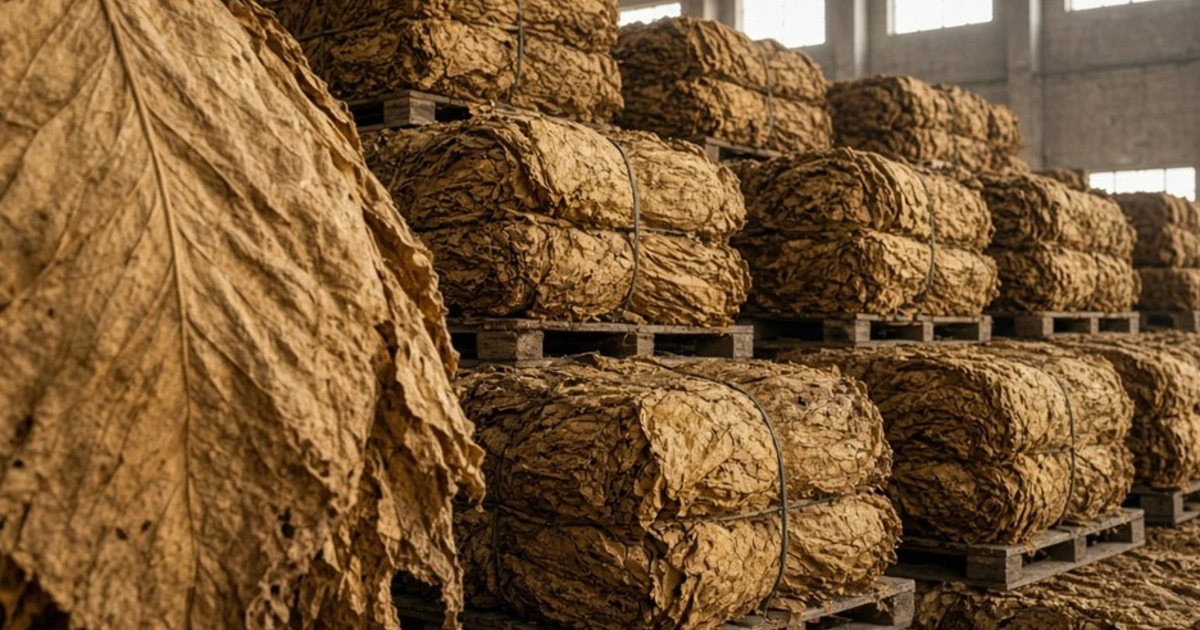
A study in Scientific Reports examined how cigarette beetles develop and reproduce on six commercial tobacco varieties grown in Pakistan. Its findings point to differences in how the varieties support the pest, which the authors say may help inform management strategies for tobacco storage.

University leaders from several parts of Pakistan have signed a charter to phase out cigarettes and other tobacco and nicotine products on participating campuses. The initiative also proposes student-led awareness, monitoring and research, while calling for national-level policy support.
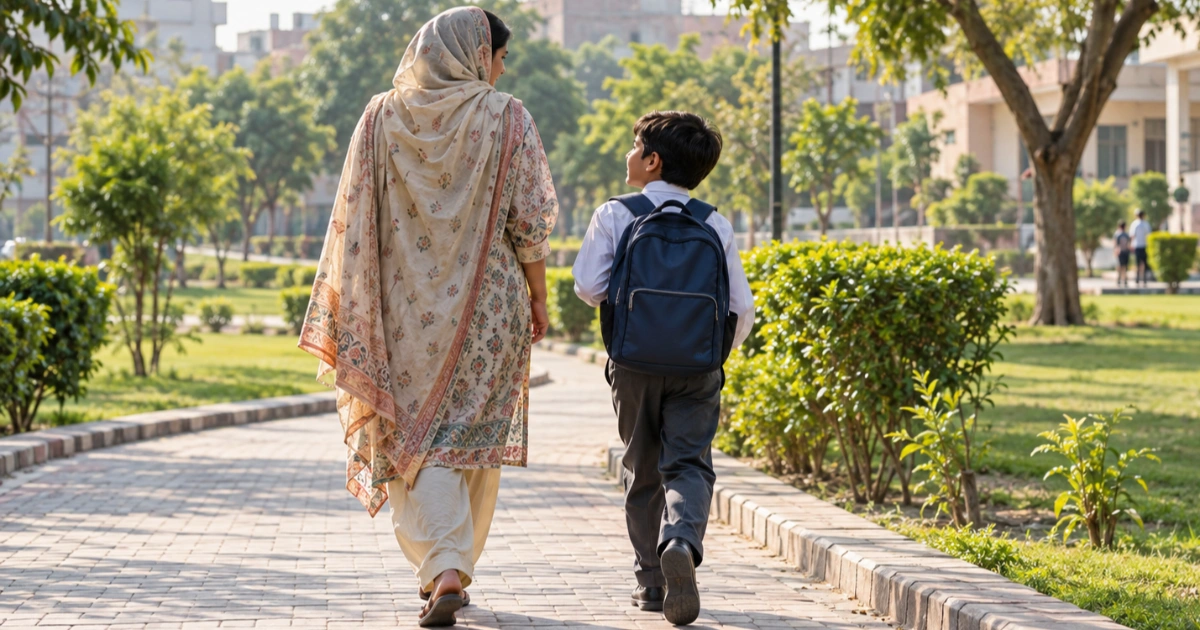
Health experts in Pakistan warn that unhealthy diets and too little physical activity can put children and young people at risk of heart disease and other non-communicable illnesses later in life. The message of World Heart Day, the article argues, should therefore extend beyond the observance and focus on prevention from an early age.

Pakistan could recover revenue by curbing illicit trade, which sources cited in a Business Recorder report estimate costs the country Rs1,000 billion a year. The issue has come into focus as the government engages with an International Monetary Fund mission on revenue targets and fiscal discipline for FY2026-27.

The Alternative Research Initiative (ARI) and its partners are urging federal and provincial governments to set clear policies for alternative tobacco products, including nicotine pouches, amid rising use and misinformation. ARI says unclear rules can leave these products in the hands of people who do not need them.
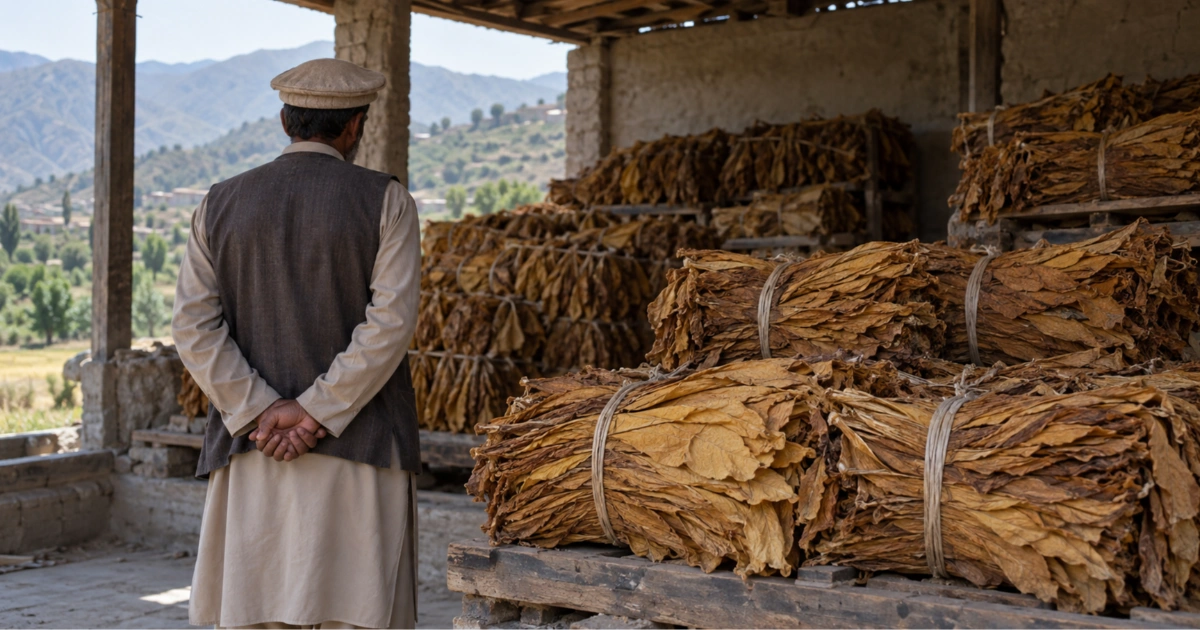
Tobacco growers in Khyber Pakhtunkhwa are burning cured leaf as declared buyer demand falls short of production, according to an article by research economist Wajid Islam. The article argues that weak purchasing commitments, delayed payments and limited competition are leaving farmers with surplus they struggle to sell.
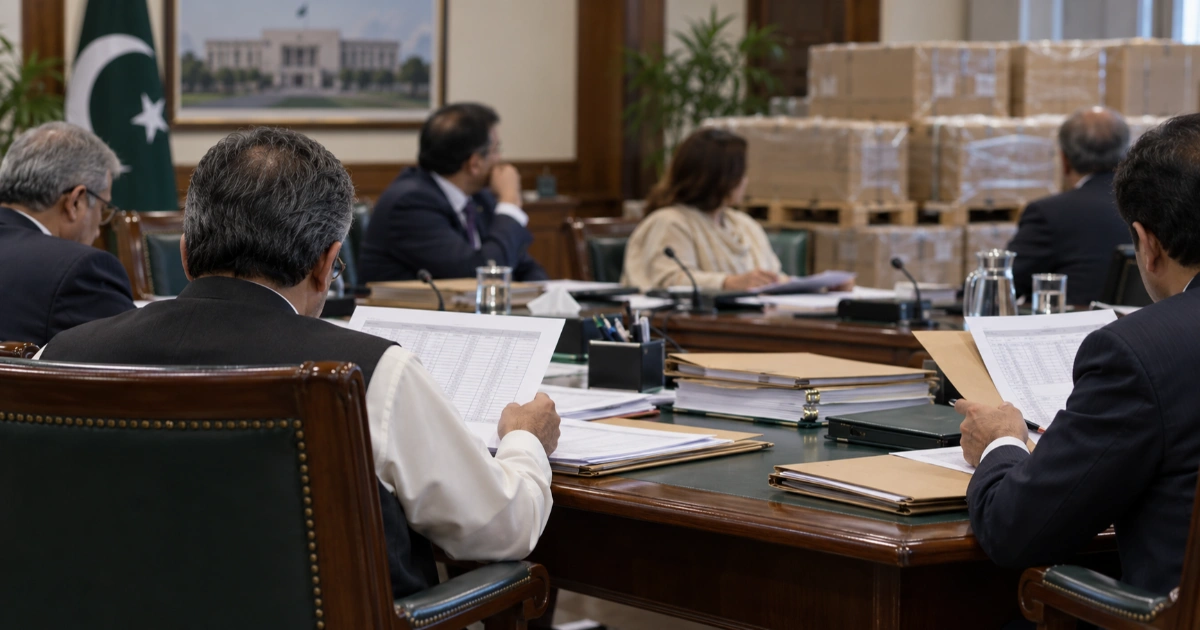
Pakistan’s Senate Standing Committee on Interior and Narcotics Control has called for further investigation into the reported theft of 2,828 cartons of cigarettes and wider revenue losses in the tobacco sector. The committee questioned why lower-ranking officials were named in the FIR while senior officers and factory owners were not fully held accountable.

Health and policy experts are calling for Pakistan to strengthen tobacco control by developing a regulated, evidence-based framework for tobacco harm reduction, while keeping complete cessation as the safest outcome for smokers.
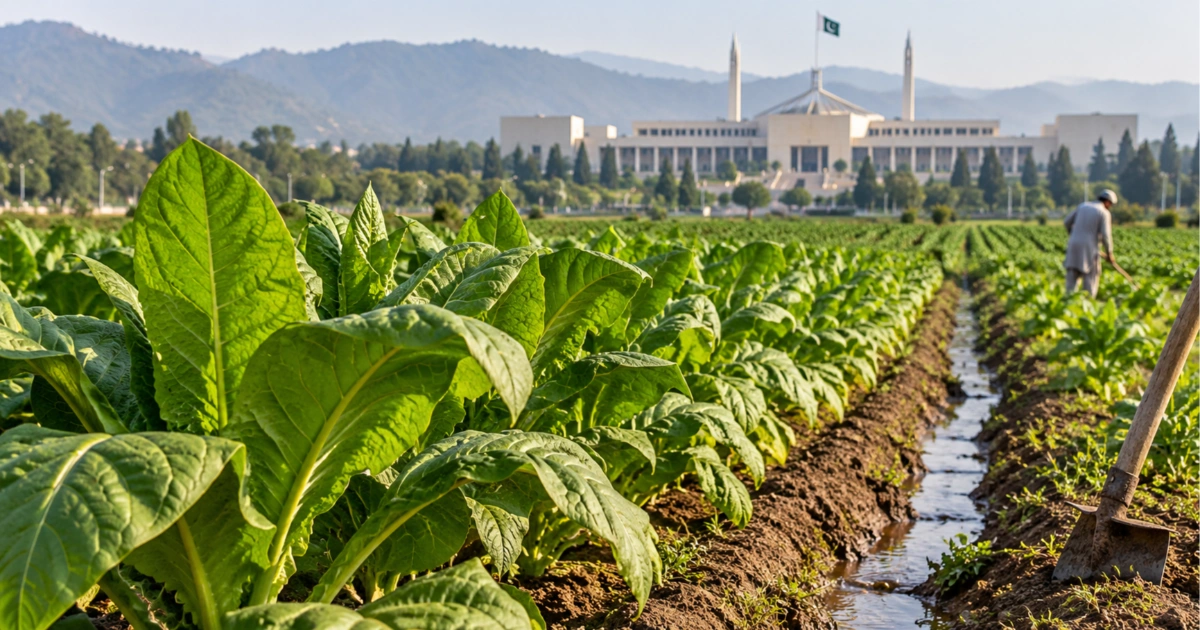
A Senate committee has recommended that tobacco be formally declared a crop and that a policy be prepared to protect growers, while also raising concerns about unsold tobacco in Khyber Pakhtunkhwa.

A Senate committee has demanded fuller investigations into the theft of 2,828 cigarette cartons and an estimated $1 billion in annual tobacco-sector revenue losses, calling for accountability to reach senior officials, factory owners and other main beneficiaries rather than lower-ranking personnel alone.