Explainers

Clear explanations of smoking, nicotine, health and tobacco-control issues from Smoke Free News.

Is smoking still a major health problem in 2026?
Health

Is smoking still a major health problem in 2026?

Smoking remains a major global health problem, with tobacco use causing more than 7 million deaths each year. Global Action to End Smoking looks at who smokes, how tobacco smoke harms health, nicotine’s role in addiction and why the risks of tobacco and nicotine products differ.

Nicotine pouches and smoking: What different national rules seek to balance
Smoking

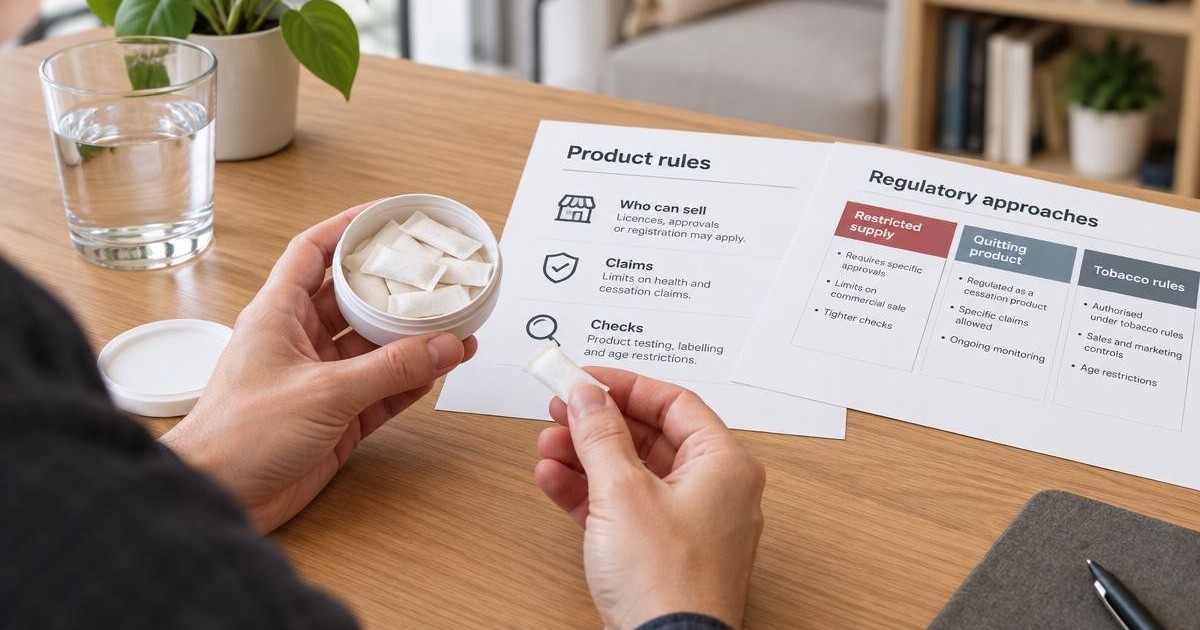
Nicotine pouches and smoking: What different national rules seek to balance

Countries are taking different routes to regulate nicotine pouches, balancing potential access for adults who smoke against concerns about young people. New Zealand is considering a change, Canada restricts sales of certain products to pharmacies, and the United States authorizes individual products. Evidence does not establish which approach delivers the best overall health outcomes.

A South Asian adult putting aside a cigarette and lighter near a bright window to represent quitting smoking.
Smoking

What happens when you quit smoking

When you stop smoking combustible tobacco, the body begins to recover almost immediately. Heart rate and blood pressure begin to drop within 20 minutes, breathing and lung function improve over time, and the long-term risks linked with smoking steadily decline.

Editorial image showing tobacco products beside visual symbols of lung and heart health.
Health

How does smoking affect your health?

Smoking can damage nearly every organ in the body. It is linked to cancer, heart disease, stroke, lung disease, weakened immunity and pregnancy-related risks, while secondhand smoke can also harm people nearby.

Clinician discussing a tobacco cessation plan with an adult patient in a healthcare consultation.
Awareness

Ask, Advise, Assess, Assist, and Arrange - Action Steps for Clinicians

The five A’s give clinicians and healthcare teams a practical way to identify tobacco use, encourage quitting and support patients through a quit attempt. The approach covers asking about tobacco use, advising patients to quit, assessing readiness, assisting with a quit plan and arranging follow-up.