PASAY CITY — A Malaysian health economist and tobacco company executives argued for regulated access to alternatives to cigarettes at a November 10 summit in the Philippines, saying bans and heavy taxes were not the best way to reduce smoking in Southeast Asia.
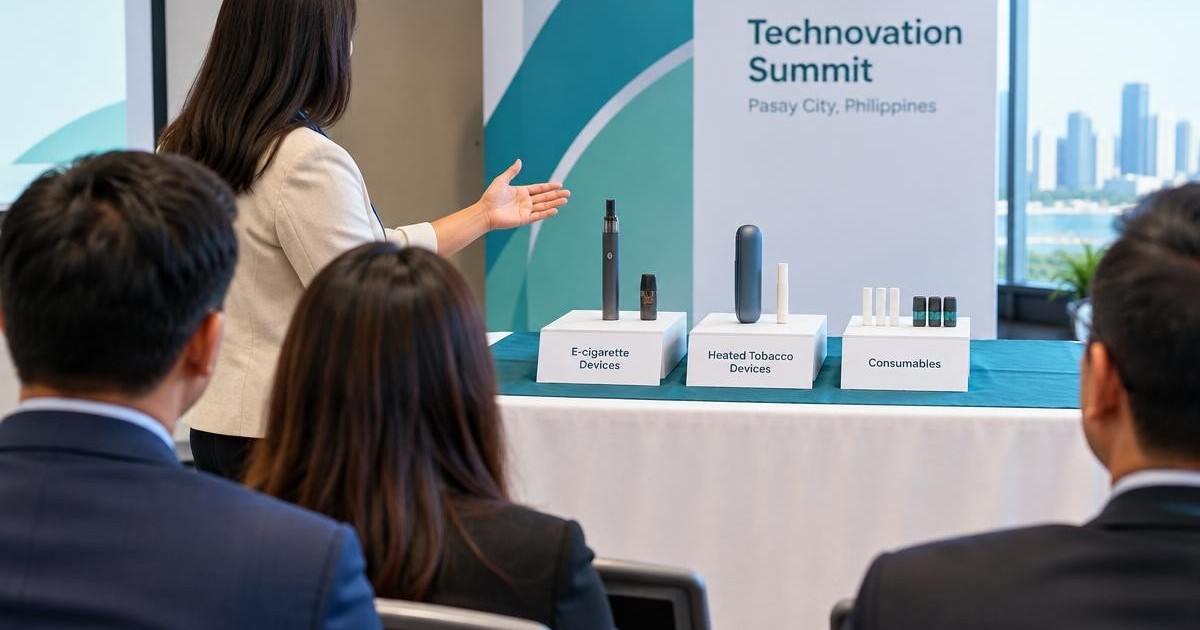
PMFTC, the Philippine affiliate of Philip Morris International (PMI), organized the Technovation summit in Pasay City. It was the event’s first Philippine edition, according to Interaksyon. PMI has a commercial interest in the alternatives discussed.
The case for regulated access
Prof. Dr. Sharifa Ezat Wan Puteh, a public health and health economics specialist at Universiti Kebangsaan Malaysia and president of the Malaysian Society of Harm Reduction, argued that harm reduction is about relative risk. She said moving people away from cigarettes that burn tobacco was urgent and that making alternatives available should not mean encouraging minors to use them, Daily Express Malaysia reported.
Sharifa also argued that heavy taxes and bans could drive people toward illicit products. PMI executive Vassilis Gkatzelis likewise called for regulated access and taxes reflecting differences in product risk. These were the speakers’ assessments and proposals, not evidence that a particular policy would necessarily reduce smoking.
Gkatzelis said PMI aims to replace cigarettes with smoke-free products. The company’s financial interest is relevant when weighing its arguments for access to those products.
What the evidence says
Alternatives are not all the same. E-cigarettes heat a liquid, while heated tobacco products heat tobacco. Research on one category does not automatically establish the effects of the other.
A Cochrane review published on August 26, 2026, examined studies of adults who smoked. In 11 studies involving 4,114 people, more participants using nicotine e-cigarettes stopped smoking for at least six months than those using nicotine-replacement therapy. The review estimated that 8 to 10 people per 100 stopped smoking with nicotine e-cigarettes, compared with 6 per 100 using nicotine-replacement therapy.
Stopping smoking did not necessarily mean stopping nicotine use. Most studies in the review were conducted in the United States or United Kingdom, and the evidence on unwanted effects remained uncertain. The review included evidence available up to January 1, 2026.
In a 2020 statement, the World Health Organization said heated tobacco products are not harmless and that lower exposure to some chemicals does not establish a lower risk of disease. WHO supports stopping tobacco use through interventions including counseling and nicotine-replacement therapies.
ATTRIBUTION: Daily Express Malaysia, November 15, 2026; Interaksyon, November 11, 2026; Cochrane, August 26, 2026; World Health Organization, July 27, 2020.
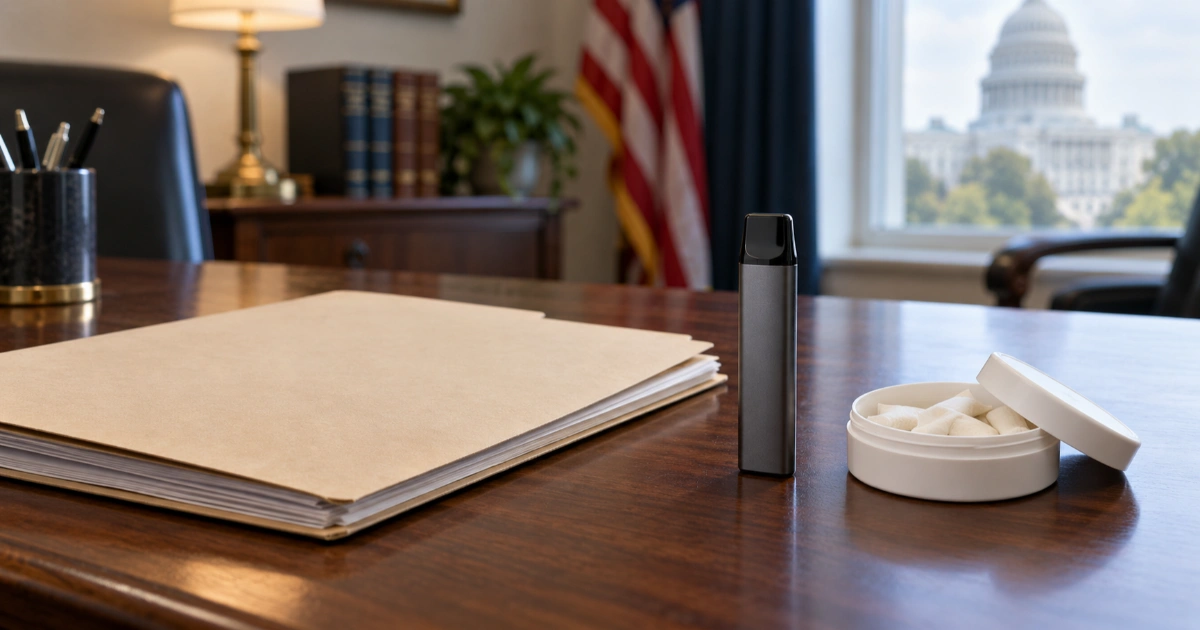
PHOTO: AI-generated; for illustrative purposes only.
Key points to remember
- PMFTC hosted the summit in Pasay City on November 10.
- Speakers favored regulated access over bans and heavy taxes.
- PMI has a commercial interest in the alternatives discussed.
- Cochrane found nicotine e-cigarettes helped more adults quit smoking than nicotine-replacement therapy.
- WHO says heated tobacco products are not harmless.
Frequently asked questions
Who organized the Technovation summit?
PMFTC, the Philippine affiliate of Philip Morris International, organized the November 10 event in Pasay City.
What did the speakers propose?
The speakers argued for regulated adult access to alternatives to cigarettes rather than bans and heavy taxes.
What did Cochrane find about nicotine e-cigarettes?
In 11 studies of adults who smoked, more people stopped smoking for at least six months using nicotine e-cigarettes than nicotine-replacement therapy.
Are heated tobacco products harmless?
No. WHO says they are not harmless and that lower exposure to some chemicals does not establish lower disease risk.
Source Acknowledgement
Source: Daily Express Malaysia
- Published
- 16 Nov 2026